
Panama Is Set For A Coming Of Age Moment In 2025
Liz LarroquetteJanuary 15, 2025
As we begin 2025, the new year promises to be historic for Panama. Having been on most Best Places to Retire lists for over a decade, Panama is a well-loved ex-pat haven based on several factors, including an appealing climate, affordable living, retirement-friendly policies, and a cosmopolitan lifestyle. In addition, according to the Rio Times (Brazil), “Panama is set for a tourist boom.” A recent Forbes article states that travel experts believe Panama “piqued the interest of tourists and resonated with digital nomads and ex-pats.”
Bring On The Big Boys
While all that seems exciting–and it is–I’m much more anxious to chat about the newest Empresas Bern project, which has been years in the making between the largest hotelier in the world and Panama’s largest hotelier. Don’t assume the project is another five-star luxury hotel in Casco Viejo.
To understand why Panama continues to grow into a global “it” destination and if the prediction is solid, it is necessary to know why Panama will continue as one of the world’s fastest-growing economies and desirable location.
The Canal’s Significant Contributions
When Panama’s new canal expansion was completed in 2016, it rapidly became an even more significant economic contributor to Panama’s services sector (banking, insurance, commerce, logistics, and tourism), which accounts for 80% of the country’s Gross Domestic Product (GDP). In 2021, the canal’s toll revenue was nearly $3 billion; by 2024, that revenue increased to $5 billion, not considering the total impact, such as jobs, multi-national companies located in Panama, and direct business growth.
That increase in revenue has allowed Panama to invest in several large infrastructure projects, which has increased the quality of life for locals, visitors, foreign nationals, and investors. Many of the projects are relatively unseen but vital. Think about drinking clean water from the tap or driving safely on roads with superior drainage.
Massive Infrastructure projects
Here are some of the most significant completed, planned or under-construction projects:
- The third subway line will open to the public in the second quarter of 2026. It will efficiently connect the western suburbs of Panama City to the city center. The 24.5 kilometers (15 miles) section will have 14 stations, including a “chunnel” running under the Panama Canal and connecting with Veracruz and Panama Pacifico. This will be the most significant infrastructure project since the doubling of the Panama Canal, with a cost of $2.5 billion.
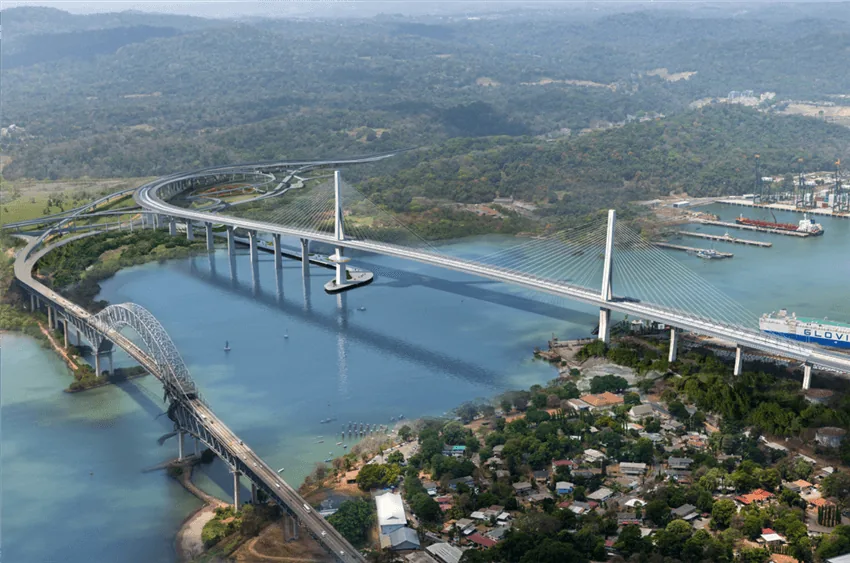
- The Fourth Bridge project, which will run parallel to the current Bridge of the Americas, will have six lanes for vehicular traffic, plus bike and pedestrian paths on each side of the bridge. This will dramatically reduce traffic congestion and improve the lives of approximately 2 million people. The bridge is scheduled to open in August 2028 with a price tag of $2.14 billion. It is currently almost 20% complete.
- The state-of-the-art Gamboa Water Treatment Plant is completed, open to the public, and provides clean drinking water to Panama City and surrounding areas. It also includes a sewage management system and annual dredging of Panama Bay. The project cost $239 million and will serve the area until 2055. It is currently expanding into the rural areas of the country.
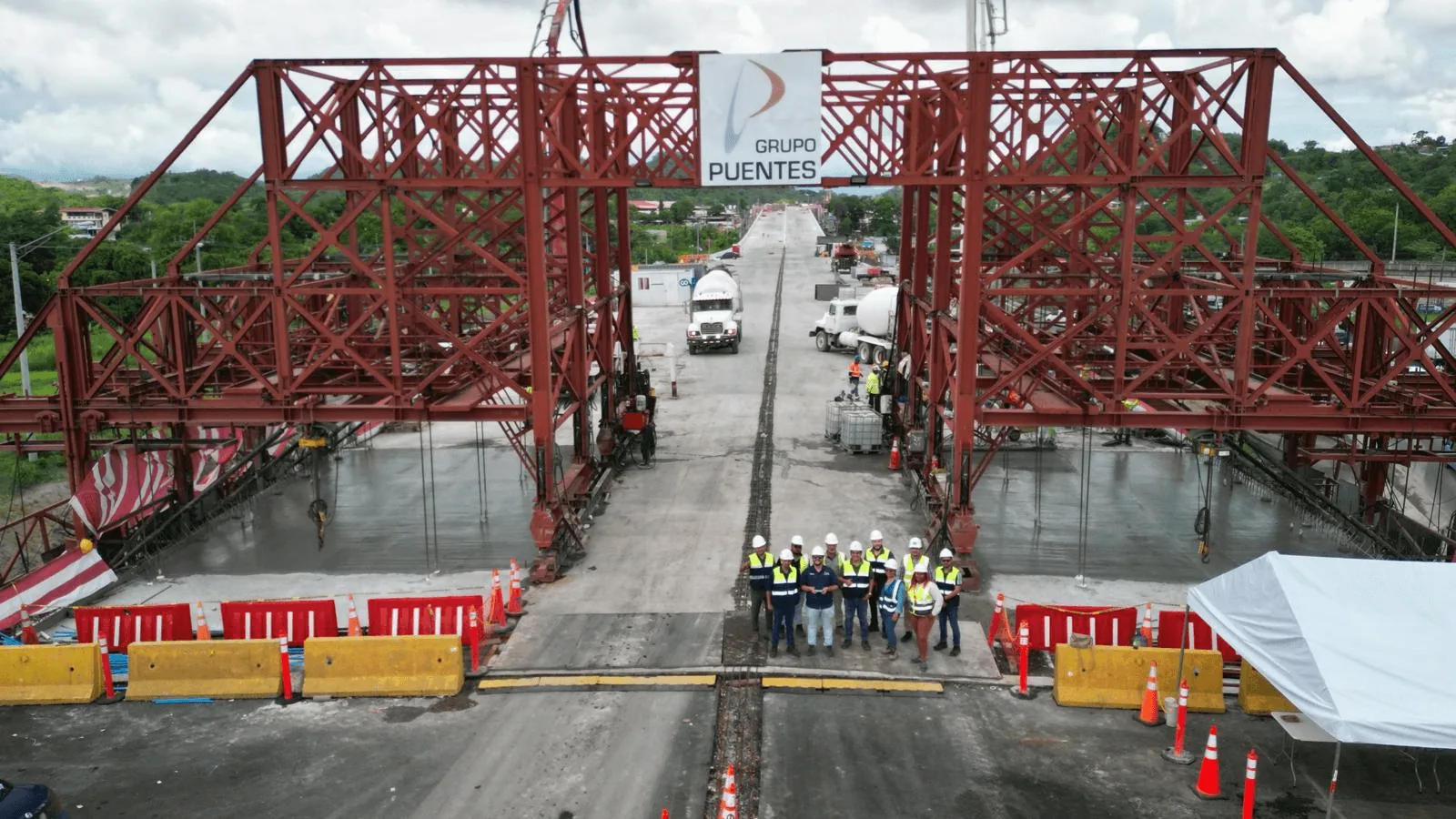
- Seamless connectivity is vital to Panama’s continued growth. Several ongoing infrastructure projects are being undertaken nationwide to meet Panama’s future needs. In October 2024, Panama celebrated the final pouring of the viaducts in the Corredor de las Playas project, which widens the Pan American Highway and opens the Beaches Corridor along the Pacific Ocean. The project should be open to the public in the first quarter of this year, cost $318 million, and cover the highway from the Bridge of the Americas to Arraijan. Additional projects will take the highway across Panama.
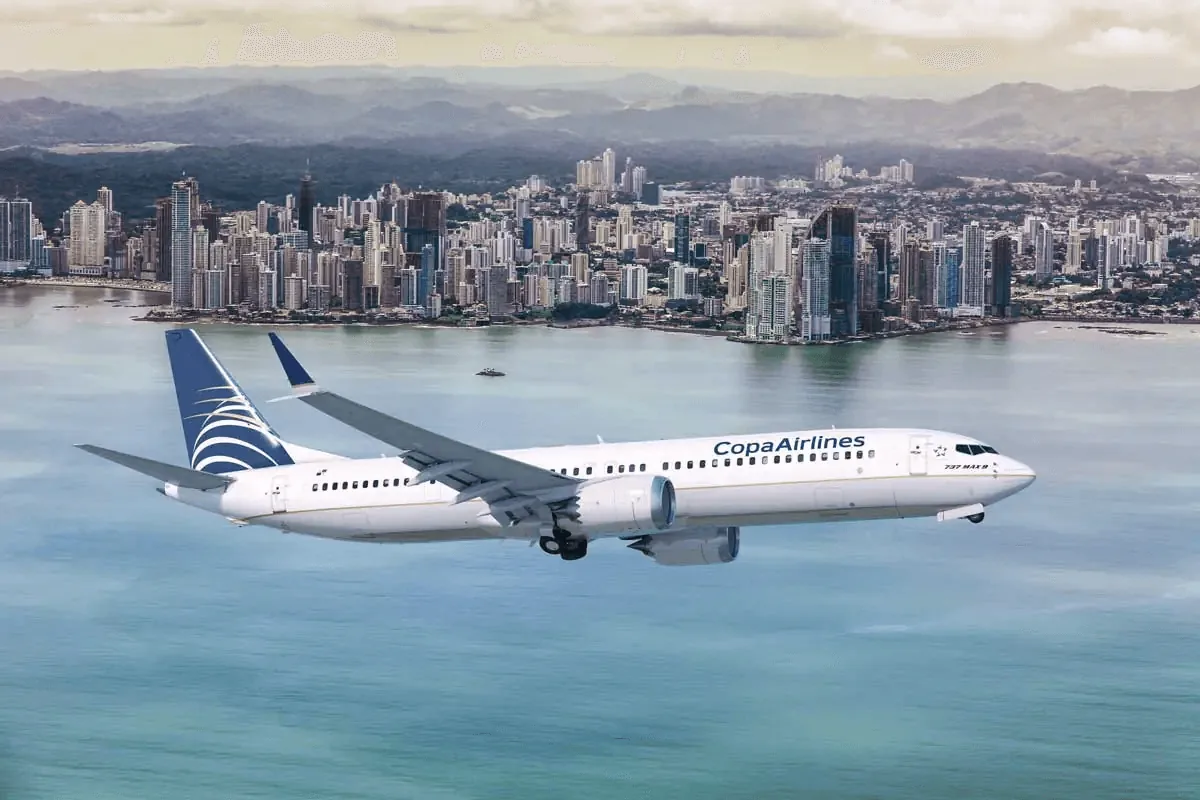
- Panama, known as the “Hub of the Americas” because of its strategic location, connecting North and South America, doubled the capacity of Tocumen International Airport in 2022, improving connectivity and welcoming 87 direct flights from its hub in Panama City. The cost was $917 million. Hometown Copa Airlines was the first tenant, but now, it welcomes passengers from Air France, KLM, and United Airlines. Other significant carriers continuing to use Terminal One include Delta, Air Canada, Iberia, Turkish Airlines, American, British Airlines, Asiana Air, and Lufthansa.
- The $1 billion Gemeradora Gatun Natural Gas-Fired Power Plant became operational in October 2024, providing lower cost and relatively cleaner, more efficient, and environmentally friendly fuel.
- The $165 million Twin Pier cruise terminal on the Amador Causeway now accommodates up to 10,000 passengers daily with two ships docked simultaneously. With cruise ports of call starting and ending in Panama City, many tourists won’t just go through the canal and then cruise away; they’ll hang around spending tourist money and marveling at Panama City and beyond.
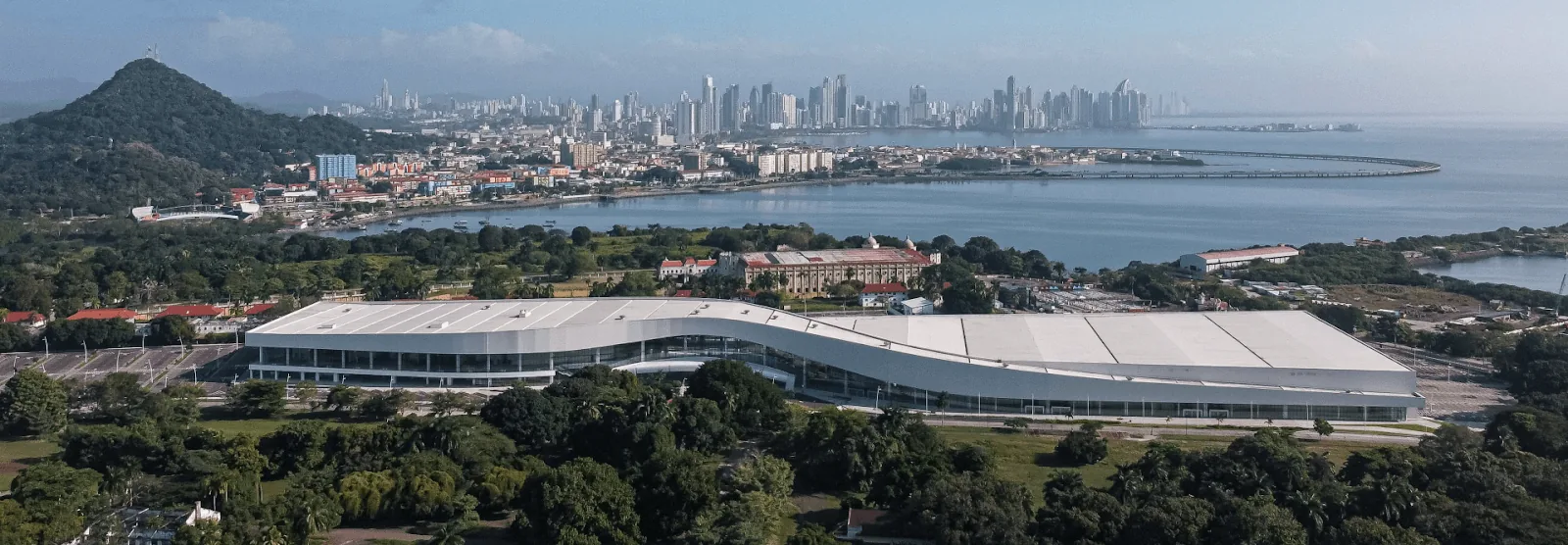
- Panama’s new Convention Center is the largest and most technologically advanced in Central and much of South America, welcoming 23,000 visitors daily. It costs $193 million to build, accommodates primarily international conventions, draws guests worldwide, and drives a demand for tourist activities and accommodations.
- A bullet train, officially called the Panama-David Railway, is a planned high-speed passenger and freight train project aimed at connecting Panama City with the city of David, located near the border of Costa Rica. It will significantly reduce travel time from over six hours by vehicle to two hours. The train will have speeds of 160 mph, utilizing a 200-mile railway line. The project is currently in the planning stages, with feasibility studies completed.
Transformative Projects
These projects are ambitious and transformative, but considering the cost of these undertakings at $2.5 billion, $318 million, and $2.14 billion, just to mention a few, the question becomes how Panama will pay for everything.
The International Monetary Fund and the World Bank think Panama should borrow more money. Maybe they aren’t in enough debt and are a little too conservative. There are some areas in which both financial institutions would like Panama to improve.
Panama has been confronting concerns, and these areas include the inequities between individuals primarily living in the city and the Indigenous citizens located mainly in the interior, an underfunded pension system, lax banking regulations, vulnerability to climate shocks, and an undereducated young population.
Wealthiest Country In North America
While Panama works to improve areas of concern, it is essential to remember Panama is the wealthiest country in Latin America; in 2023, it was rated a high-income country; it has over-achieved predictions for growth every year of the last three years, including 2023, when the GDP growth was 7.3%.
The internet is stable and one of the fastest in Latin America. Multinational companies continue to locate their regional headquarters in Costa del Este, Panama’s de facto business center, and the national income has grown to $18,662 per capita. If that sounds surprisingly low, consider the World average is $13,138. Neighboring Costa Rica is $16,390, and Columbia, $6,980. The richest? Monaco at $240,862.
Canal Pivotal To Panama
The World Bank reports that trade and services have driven development, with the canal playing a fundamental role. The economy is pegged to the US dollar, ensuring stability and no reduction in value. Panama maintains good access to capital markets, so the world bankers pick up the phone when Panama calls.
Now that you have been bored with Too Much Information (TMI), repeating facts you may already know, let me explain why I am so excited about what’s forthcoming. A new project will be announced in a few days, giving details, but know this will take Panama to a new global level. It hasn’t been easy to get there, but we have arrived.
I will conduct a webinar in early February detailing the project; the caterers have been arranged, and we will send invitations (of course, you are invited!) to various events.
Slide Right In
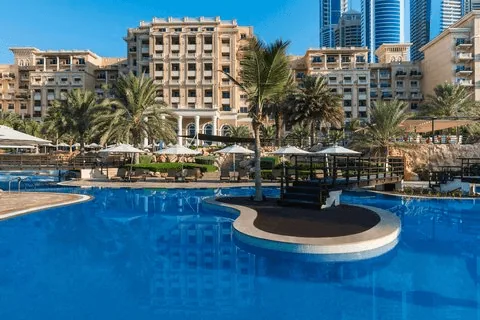
Panama will join the luxury ranks of some of the most desirable locations, such as London, New York, Miami, Singapore, Dubai, Naples, Cabo San Lucas, Costa del Sol, Montreal, Cairo, and Kula Lumpur.
I’d love to hear from you. Contact me via whatever form you prefer. I respond to every call and contact. Let’s start a discussion!