
What Should Tourism Mean For Panama?
Liz LarroquetteNovember 25, 2026
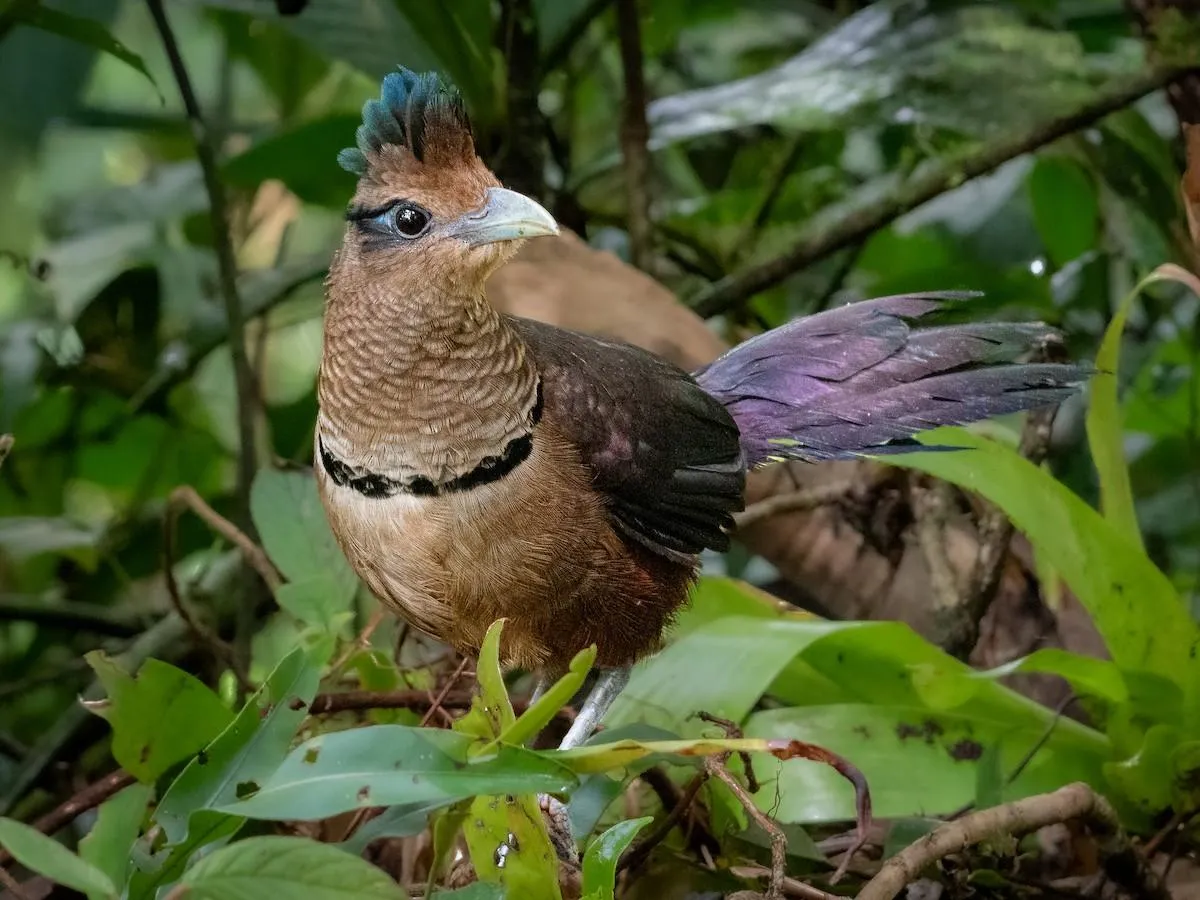
Panama is rich in what it offers tourists. Everything from white sand beaches on both the Caribbean coast and Pacific Ocean, world-class fishing, an inactive volcano, rainforests and mangroves, the engineering wonder Panama Canal, 1,021 species of birds including the Harpy Eagle and Rufous-vented Ground Cuckoo, indigenous cultures, a protected UNESCO marine reserve known for whale shark sightings, lively night life, stunning waterfalls, world-class museums, extraordinary diving, surfing, and snorkeling and its been named a Creative City of Gastronomy by UNESCO along with Parma Italy, Singapore, Tucson, Arizona and Chengdu, China.
Multiple Revenue Streams

Even with so many appealing tourism options, Panama has always worked to keep the country's Gross Domestic Product (GDP) balanced and not overly dependent on one economic stream such as tourism. For example, the Panama Canal, including ship registration, accounts for only 5% of Panama’s GDP. Tourism brings in 10% while the services and industrial sectors including banking, insurance, real estate, construction, light manufacturing and agriculture (bananas, pineapples and coffee) drive the rest of Panama’s economy.
This has worked well for Panama. Unlike its neighbor Costa Rica, the COVID pandemic did not shut down the government when the world closed and tourism was halted. Ships continued to transit the Panama Canal, banking and insurance services were still needed and people still ate bananas and drank coffee.
Rapid Tourism growth
Balance continues to be vital to Panama’s overall economic stability, however, tourism has been rapidly growing. According to the World Travel and Tourism Council (WTTC) tourism in the first five months in Panama of 2026 grew by 19.2% over the same period in 2025.

In 2025 the hospitality sector, including condotels, contributed $6.58 billion to the Panamanian economy. So far for the first seven months of this year, the contributed revenue has already been $5.10 billion. The projected tourism growth year-on-year is 19.8%. Much of this growth can be attributed to the fact that during the first five months of 2026 hotel occupancy grew by 14.1% including condotels such as Parkside and Arcadia in the Panama City suburb, Costa del Este.
There are several reasons which account for this increase.
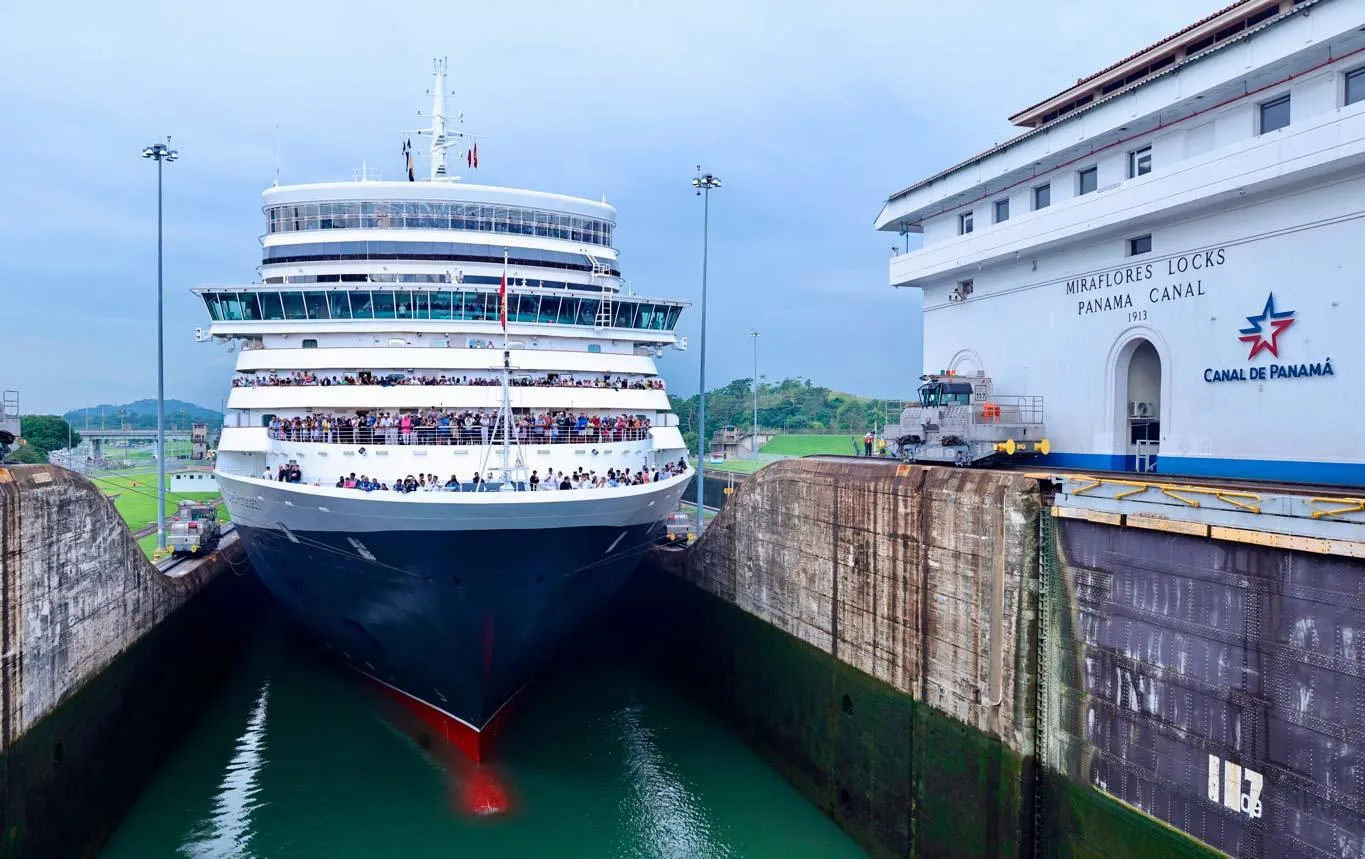
The two-berth cruise terminal which officially opened in March, 2024 has seen rapid growth. The terminal can accommodate two ships daily with a combined passenger capacity of 10,000. The Panama cruise market increased 25.2% in the first six months of 2026 over the same period of 2025. Before the terminal was opened on the Amador Causeway in Panama City, cruises typically transited the Panama Canal and then continued, docking in neighboring countries. Today cruises not only stop for typically a day of sightseeing in Panama, mega ships are embarking and disembarking from Panama City which drives additional nights in a variety of accommodations, including condotels, and dining in local restaurants.
Condé Nast Traveler named Panama as the number one vacation destination in Central America and number 20th in the world. Global Traveler Magazine named Panama the top destination for Central and South America in their Leisure Lifestyle Awards for 2026 and The New York Times named Panama as “a diverse destination combining a cosmopolitan capital, rich colonial history, and world-class nature and wildlife.” Travel & Leisure magazine named Panama in 2026 as the “most underrated country to visit.”
The Panama Convention Center which opened in 2021 is becoming one of the most sought-after international destinations for convention goers. In December 2026 alone 116 conventions are slated for Panama City. The modern and technologically advanced convention center has a capacity of over 20,000 individuals daily. The convention center has welcomed attendees from over 100 countries with agendas focused on artificial intelligence, technology, agriculture, business management and health sciences.

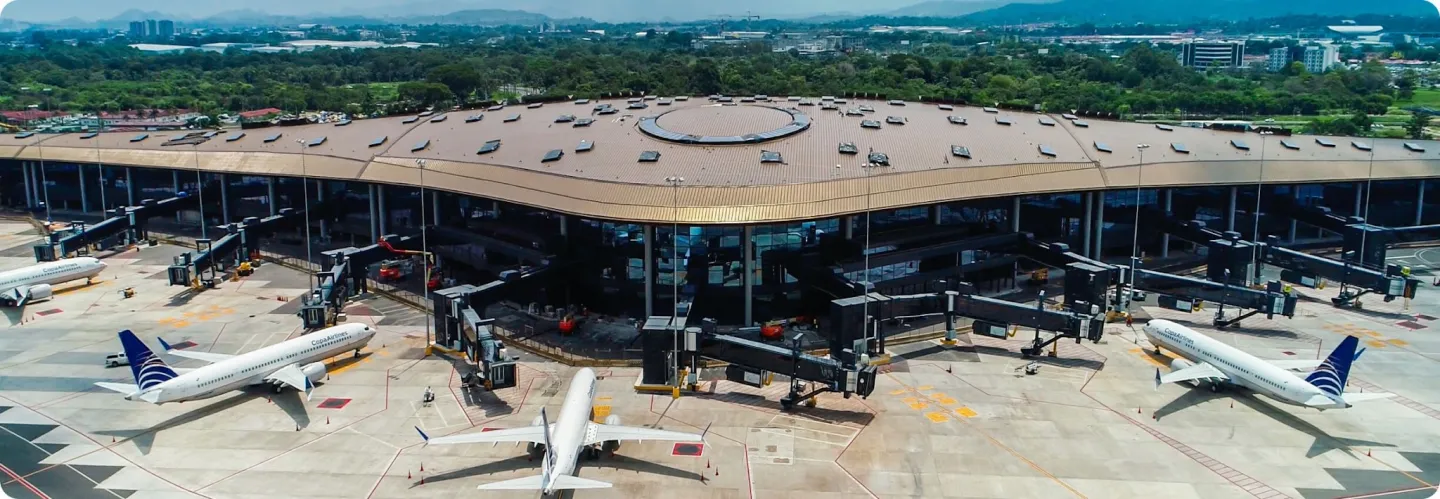
Panama is the flagship home of Copa Airlines with over 70 direct flights departing and arriving from Tocumen International Airport. In addition to Copa, a variety of international airlines connect directly to 38 countries with 96 direct flights, including the longest (12 hours, 45 minutes) to Istanbul. In addition to convenient connections, Copa offers a “Stop Over Option” which allows transiting passengers to enjoy extended stays between 24 hours and 15 days without extra charge.
Medical Insurance Up to $50,000 Offered Free
Tourists arriving by air are automatically provided with 10 days of medical insurance as soon as their passport is stamped at any of Panama’s six airports including Tocumen. The coverage, paid for by the Panamanian government, includes for any traveler, under the age of 86 years, $15,000 for accidents or sudden illness, $10,000 medical transport within Panama and up to $50,000 for international medical repatriation.

The Panamanian government will continue to balance the GDP with a variety of revenue streams, but it also is making a concerted effort to attract tourists, which is good news for individuals investing in rental property. The recent joint venture between Marriott International and Empresas Bern, The Westin Residences of Playa Bonita Panama, will work through Marriott’s worldwide reservation system, while additional rental options are executed through on-site management.
Panama is on the verge of enjoying even more guests and residents from around the world. They may be surprised by the skyline of high rise buildings, efficient public transportation including the existing subway, improved roads, outstanding restaurants, retail outlets and world-class infrastructure.